
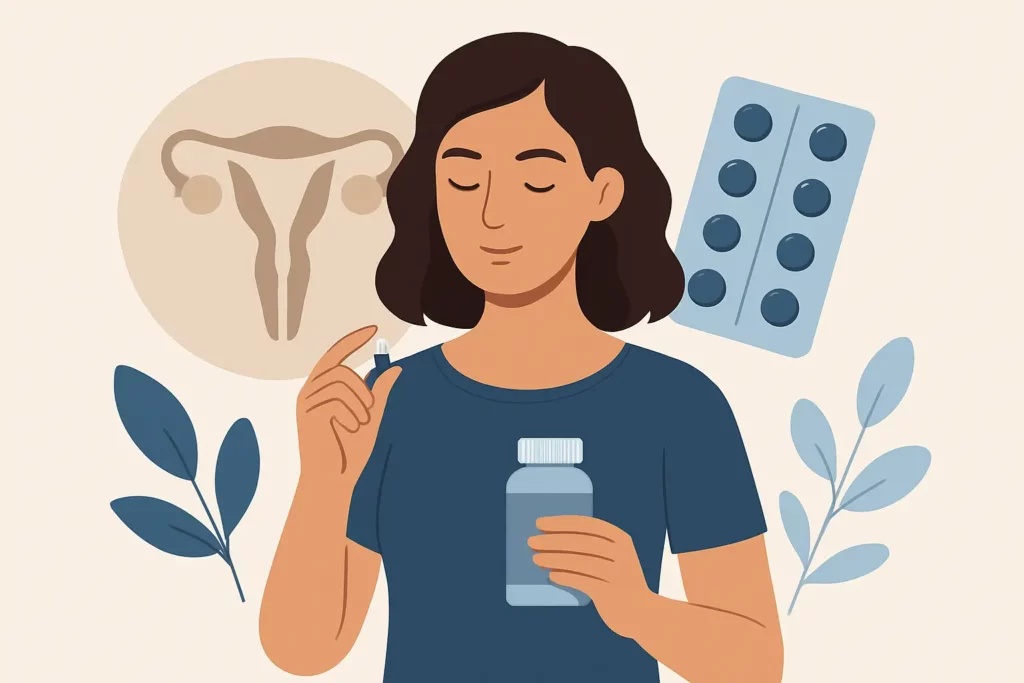
You can usually tell when your hormones are not playing nicely – it shows up in the everyday stuff. The week before your period feels heavier than it used to. Your skin acts up even when your routine has not changed. You feel tired but wired. Your mood has less patience than you do.
That is why women look for women’s hormone balance supplements in the first place. Not to chase a trend, but to make daily life feel more predictable. The goal is not “perfect hormones.” It is steadier energy, fewer surprises, and support that fits into a routine you can actually keep.
What “hormone balance” really means
Hormones are messengers. They affect your cycle, sleep, stress response, appetite, skin, and even how you recover from workouts. But “balance” depends on where you are in life.
A 26-year-old with PMS and breakouts is dealing with a different set of needs than a 44-year-old noticing cycle changes, sleep disruption, and new belly weight. Both may use the same phrase – hormone balance – but the best supplement approach is rarely identical.
It also depends on what is driving the symptoms. Sometimes it is stress and sleep debt. Sometimes it is nutrition gaps. Sometimes it is a transition phase like postpartum or perimenopause. Supplements can help, but they work best when you use them as support tools, not as a replacement for the basics.
When women’s hormone balance supplements make the most sense
Most women shop for hormone support because of one of three patterns.
First is cycle support – PMS, cramps, breast tenderness, irritability, or irregular timing. Second is stress and energy – fatigue, afternoon crashes, sleep trouble, and feeling “on edge.” Third is beauty-from-within concerns that track your cycle – acne, hair shedding, or dull skin.
If your symptoms are sudden, severe, or worsening quickly, do not self-diagnose with supplements. Heavy bleeding, missed periods for months, severe pelvic pain, or symptoms like persistent heart palpitations deserve medical evaluation.
Ingredients worth understanding (and what they are good at)
Hormone supplements are not one thing. They are a few different categories that can overlap.
Nutrients that cover common gaps
For many women, the best starting point is not an exotic herb – it is consistent nutrition support.
Vitamin B6 is commonly used for PMS-related mood and bloating support. Magnesium is a staple for muscle tension, sleep quality, and stress support. Vitamin D is frequently low in adults and can affect mood and general vitality. Zinc is often used for skin and immune support.
These are not “hormone pills” in the dramatic sense, but when you correct a gap, your cycle and stress resilience can feel noticeably smoother.
Adaptogens for stress-driven symptoms
If your main complaint is that stress is running the show – sleep is lighter, cravings are higher, you feel more reactive – adaptogens are often what women reach for.
Ashwagandha is popular for stress support and sleep quality. Rhodiola is more commonly used for mental stamina and fatigue, especially when you feel burned out.
Trade-off: adaptogens can be very effective for some people and too stimulating for others. If you are sensitive to caffeine-like effects, start low and avoid taking them late in the day.
Herbs used for cycle regularity and PMS
Chasteberry (vitex) is one of the better-known options for PMS and cycle-related symptoms. It is typically used consistently over time rather than “as needed.”
Evening primrose oil is often chosen for breast tenderness and skin support.
Trade-off: these can take weeks to months to show full results, and they are not a match for everyone. If you are on hormonal birth control, actively trying to conceive, pregnant, or breastfeeding, you should be extra cautious and ask your clinician first.
Support for insulin and cravings (often overlooked)
Some hormone-related complaints are tied to blood sugar swings. If you feel shaky between meals, crave sweets late in the day, or notice mood dips when you are hungry, you may benefit from supporting more stable glucose habits.
Inositol is commonly used for cycle support and metabolic support, especially in women who suspect PCOS patterns.
Trade-off: it is not a quick fix, and it works best alongside meals that include protein and fiber.
How to choose a formula without getting overwhelmed
The supplement aisle can make “hormone balance” look like a single product solves everything. Realistically, the right choice is based on your top two goals.
If your top goals are PMS and mood, look for a formula centered on magnesium, B6, and a cycle-support herb like vitex. If your top goals are stress and sleep, prioritize magnesium plus an adaptogen, and keep the rest simple. If your top goals are skin and hair that fluctuate with your cycle, you may do better with zinc, omega-3s, and collagen support, plus a basic cycle-support formula if PMS is part of the picture.
The most common mistake is stacking too many products at once. When you start three new supplements in the same week, you cannot tell what is helping, what is doing nothing, or what is causing side effects.
A simple routine that most women can stick to
Consistency matters more than intensity. A routine-friendly approach looks like this:
Start with one targeted product for your main complaint, and give it at least 6 to 8 weeks if it is a cycle-focused herb. Add one foundational daily supplement that supports general wellness – many women choose omega-3s or collagen depending on their goals. Then reassess.
If you want to keep it practical, pair supplements with habits you already do every day: breakfast, brushing your teeth, or winding down at night. The best supplement is the one you will still be taking next month.
Quality standards matter more than “stronger” dosages
Hormone support is not the place to gamble with mystery blends. Look for clear labeling with amounts listed, not only a proprietary blend. Check for quality cues like third-party testing, clean manufacturing standards, and transparent sourcing.
If Halal compliance is part of your buying decision, you also want certainty around gelatin sources, alcohol-based extracts, and overall ingredient handling. For many shoppers, that is not just a preference – it is a trust issue.
That is one reason customers choose brands like ByHerbs when they want everyday wellness supplements with clear Halal certification standards and straightforward service support. Convenience matters, but so does knowing what you are putting in your body.
Safety and “it depends” scenarios
Women’s hormone balance supplements can be helpful, but there are real situations where you should slow down and get advice.
If you are pregnant, breastfeeding, managing thyroid conditions, or taking medications for mood, blood pressure, blood sugar, or blood thinning, do not assume an herb is automatically safe because it is natural. Some herbs can interact with medications or be the wrong fit for certain conditions.
If you use hormonal birth control or are undergoing fertility treatment, be especially cautious with cycle-modulating herbs. And if you have symptoms like severe acne with sudden hair growth, very irregular cycles, or unexplained weight changes, it is worth checking for underlying drivers like PCOS, thyroid issues, or iron deficiency.
Side effects are usually mild when products are used appropriately, but they can happen: digestive upset, headaches, changes in sleep, or feeling overstimulated. That is another reason to start with one product at a time.
What results to expect (and when)
Some benefits can show up quickly. Magnesium-related sleep support might feel different within a week. Omega-3s can help with general inflammation and skin comfort over several weeks.
Cycle-focused supplements tend to take longer. Your body runs on monthly cycles, so it often takes 2 to 3 cycles to judge whether a product is truly helping PMS, cramps, or regularity.
If you see no change after a fair trial, it is not a personal failure and it does not mean “nothing works.” It usually means the formula did not match the main driver of your symptoms, the dose was not appropriate, or the basics – sleep, protein intake, stress load – are still overwhelming the support you are adding.
How to shop with confidence
When you are buying women’s hormone balance supplements, you are not just buying ingredients. You are buying predictability – consistent quality, clear labeling, and a routine that does not create more stress.
Choose products that match your actual goal, not a vague promise. Keep the stack small, track your symptoms for a couple of months, and treat the process like a calm experiment.
A helpful way to think about it is this: the right supplement should make your day feel easier to manage, not give you a second job. Aim for steady support, simple habits, and quality you do not have to second-guess – and let your routine do the heavy lifting over time.